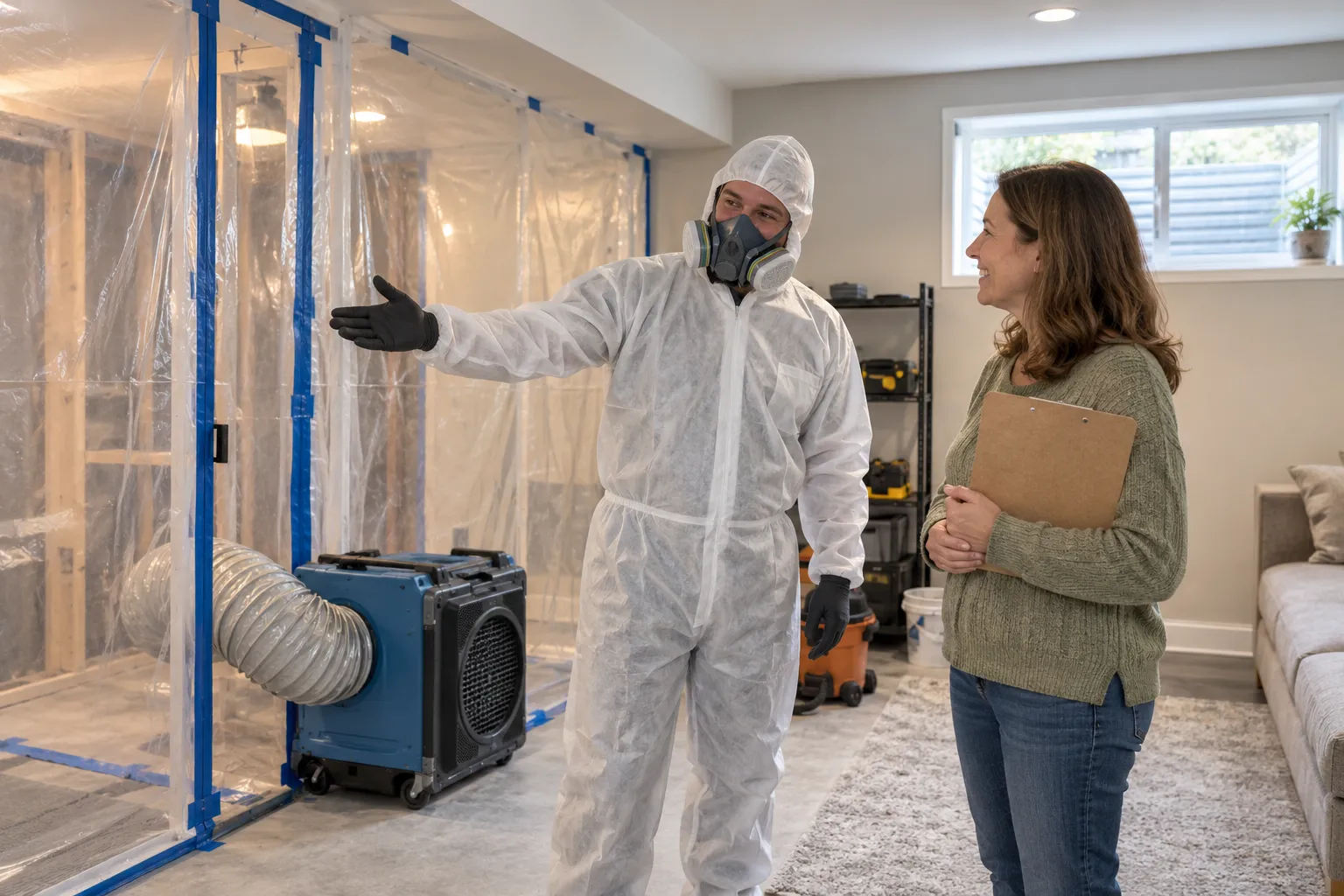
Mold Remediation
Found mold and not sure what comes next? This page walks you through remediation in plain, simple steps.
New to mold? Start here. Establishedmajority Mold Help connects Salem Lakes homeowners with independent local providers for inspection, testing and cleanup, and explains each step in plain language along the way.

Tell us what you found and where, using the simple estimate request form on this site.
A provider in our network reviews your details and reaches out about next steps.
Review the scope, containment plan and price in writing before you decide.
Pick the provider you feel good about and set a time for the work.
Found mold or a musty smell? Send a quick request and a local provider in our network can follow up about your home. There is no obligation.
No obligationSpotting dark patches on a basement wall or catching a musty smell in a closet is unsettling, especially if you have never faced it before. Take a breath. Mold in a home is common, and there is a clear path through it.
Establishedmajority Mold Help is a referral service for homeowners in Salem Lakes, WI and the Salem Lakes area. It does not do the work itself. Instead, it connects you with independent providers in our network who handle mold inspection, testing and cleanup. You describe what you see, and a local provider takes it from there.
Most first-timers want three answers. Is it really mold? How far has it spread? What does it take to fix it properly? A provider can answer all three once they have looked at your home.
Prefer to talk it through? Request a callback to check provider availability for your address. Hours vary by provider, so the request form is often the easiest first move. Either way, you are never obligated to hire anyone.
You tell Establishedmajority Mold Help where the problem is and what you have noticed. Your request goes to independent providers who serve your part of the Salem Lakes area. They get back to you, ask a few questions, and offer to look at the home. You compare and choose.
A good provider starts by finding the moisture source, because mold only grows where damp lingers. They check walls, floors, ceilings and hidden corners. They may take air or surface samples and send them to a lab. Ask whether the provider offers certified mold testing and can show their credentials.
If cleanup is needed, you should get a written plan. It should explain the affected area, how the space will be sealed off, how materials will be removed or cleaned, and how the provider will confirm the job is done.
Covering mold with paint or wiping it away without fixing the leak only buys time. It usually comes back, and it can spread into framing, insulation and flooring. A proper job stops the cause, cleans the damage and leaves records you can show a future buyer or inspector.
That paperwork matters. When you sell, a clear history of testing and residential mold removal can ease a buyer's worries and keep a sale on track.
Establishedmajority Mold Help focuses on Salem Lakes and the wider the Salem Lakes area. That includes older neighborhoods with frame houses, newer subdivisions, and the quiet streets of bungalows and ranch homes in between.
Providers in our network know how local homes are built. They see the same patterns again and again: damp basements after spring thaw, humid summer air in closed-up rooms, and roof or siding leaks after a hard storm. That local familiarity helps them find the moisture source faster.
If you are searching for mold inspection near me, a request through Establishedmajority Mold Help is a simple way to reach providers who already work in your area. Availability depends on the provider and the season, so it helps to ask early.
Not sure whether your address is covered? Send the request anyway, or Request a callback to check which providers are available near you.
When frost goes deep, foundations can shift and small cracks open. Meltwater and damp soil can then seep in. Warm indoor air also meets cold walls and windows, and that creates condensation. Both give mold a place to start.
Spring brings snowmelt and heavy rain. Basements can take on water, and wet drywall, carpet and stored boxes can grow mold if they stay damp. If water came in, ask a provider about drying and testing before you rebuild.
Sticky summer air settles into closed rooms, crawl spaces and basements. Mold likes that. A dehumidifier, working fans and a well-vented bathroom all help. Watch for a musty smell, since it often shows up before you see anything.
Severe storms can damage shingles, flashing and siding. A small leak can wet insulation and attic wood for weeks without anyone noticing. After a hail storm, check ceilings for stains and have the roof looked at.
Many homes here have full basements with sump pumps. Test your pump now and then, and make sure the discharge line sends water well away from the house. A pump that fails during a storm is a common reason people end up needing mold help.
Older frame houses may have gaps, old plumbing and thin insulation. These details let moisture sneak into walls. Providers often check hidden spots, such as behind trim or under old flooring, where trouble hides.
Single-level homes often sit close to the ground, with small crawl spaces or slab edges. Poor drainage and low vents can trap damp air. Keep gutters clear and soil sloping away from the walls.
If the patch is bigger than a few square feet, keeps returning, or follows a flood, bring in a provider. Request an estimate and ask for it in writing.
Send a short request describing what you have noticed, and a local provider can follow up about your home. It takes a minute, and there is no obligation.
Would you rather speak with someone? Request a callback to check provider availability. Hours vary by provider, so the form is a good backup if no one picks up.
Providers in our network cover the three things most homeowners need: removing and cleaning up mold, finding and testing it, and handling the darker, more worrying growth people call black mold. Pick the one that fits your situation below.
Found mold and not sure what comes next? This page walks you through remediation in plain, simple steps.
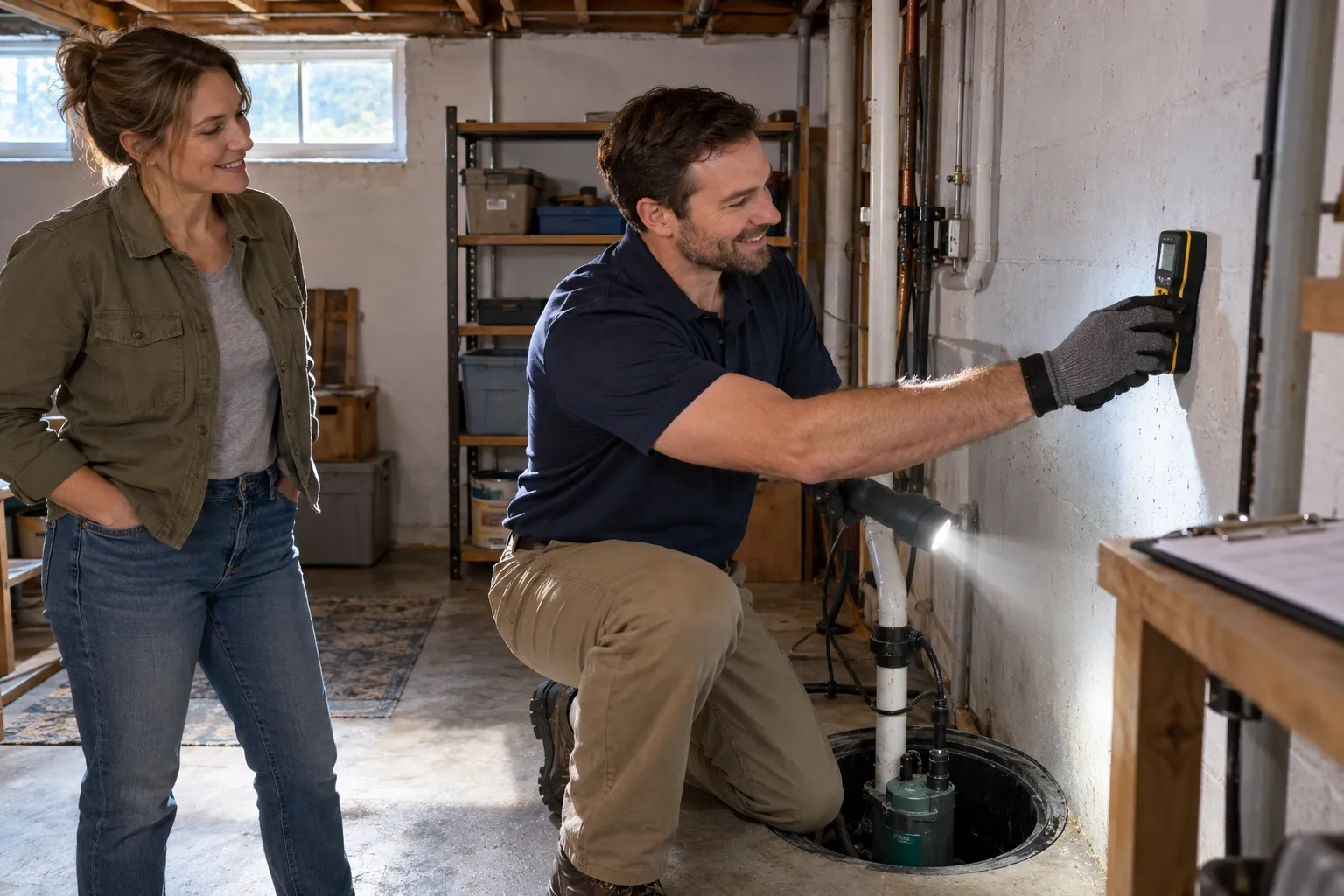
Not sure if that musty smell or dark spot is mold? An inspection gives you real answers before you spend money.
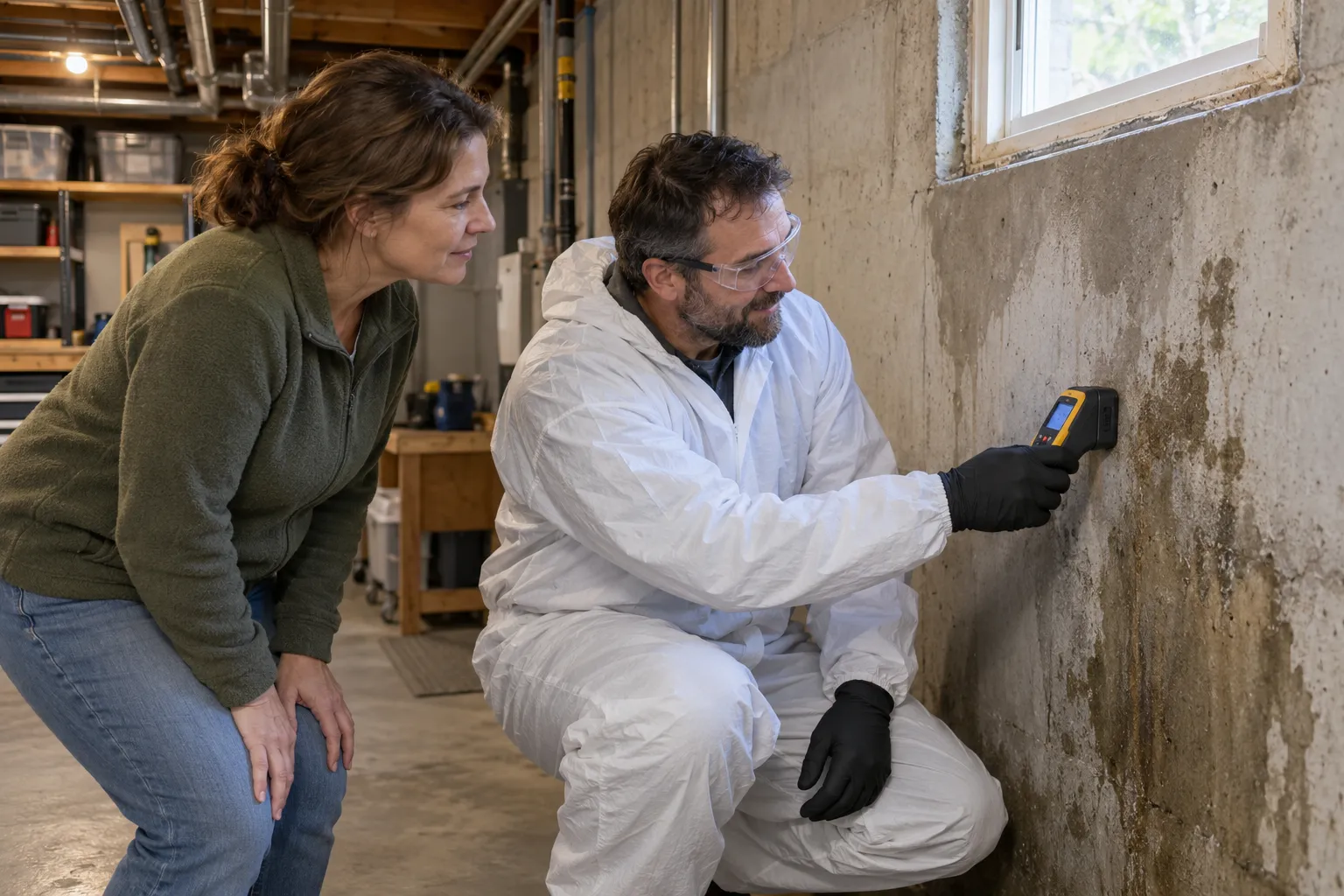
Black mold looks alarming, but a calm plan and the right local provider can get your home back on track.
Common signs include a musty smell, dark or fuzzy spots, peeling paint, and damp or stained walls and ceilings. Not every stain is mold, though. A local provider can inspect the area, find the moisture source and recommend testing if needed.
In the U.S., small jobs often run from a few hundred to a couple thousand dollars, while larger or hidden problems can reach well into the thousands. Costs vary by size, location and cause, so ask providers for a written quote.
Not always. If mold is clearly visible, some providers go straight to a cleanup plan. Testing helps when growth is hidden, a smell lingers, or you want proof afterward. Ask a provider what fits your home.
Dark mold looks alarming, but color alone does not tell you the type or the risk. Any mold should be dealt with. A provider can assess it and explain the right way to remove it.
Some policies may cover mold from sudden damage, such as a burst pipe, but often not from ongoing leaks or neglect. Check your policy, and note that providers can often help document damage for a claim.
Found mold or a musty smell? Send a quick request and a local provider in our network can follow up about your home. There is no obligation.
No obligation